
How Often Does a Septic Tank Need Pumping?
A residential septic tank is typically pumped every 3 to 5 years, and the real number depends on tank size and how many people live in the house. A family of five running a 1,000 gallon tank will fill it faster than a couple in the same house, and anyone unsure of their own count can start with how many porta potties do I need style thinking applied to household fixtures instead. Households that run garbage disposals, do a lot of laundry, or have a tank sized too small for the property tend to need pumping closer to the 3 year mark, similar to how a busy construction dumpster rental fills faster on a demolition job than a quiet remodel. Paterson Porta Pros looks at all of it before setting your interval, not just the calendar. If you are not sure where your tank falls, septic tank warning signs walks through what to watch for between visits. Homes near Elmwood Park (3.0 miles east) and Garfield (4.8 miles southeast) often share similar soil and lot conditions with Paterson, which affects drain field performance and, in turn, pumping frequency. If your property runs a grease interceptor instead of a standard tank, that is a different service; check grease trap pumping for how that schedule works, since interceptors get pumped by fat and solid buildup, not a fixed calendar date.
What Are the Warning Signs You Need Septic Pumping?
Slow drains, gurgling pipes and standing water over the drain field mean the tank is likely full or close to it. Sewage odor near the tank lid or a soggy patch of lawn that will not dry out is another sign, and neither should wait, the way dumpster weight limits get flagged early rather than discovered at pickup. Backups into tubs or the lowest drain in the house are the most urgent signal, and at that point you are past routine maintenance. Paterson Porta Pros treats those calls as priority dispatch, not a scheduled appointment. A full write-up of these signs, plus what causes each one, lives on septic tank warning signs. If a backup happens outside business hours or on a weekend, our emergency septic service page covers response, and weekend septic work runs in the $50 to $150 range for shorter jobs. Waiting on any of these symptoms usually turns a pumping visit into a repair bill, since solids that back up into the drain field can clog it permanently.
What Does a Septic Pumping Visit Include?
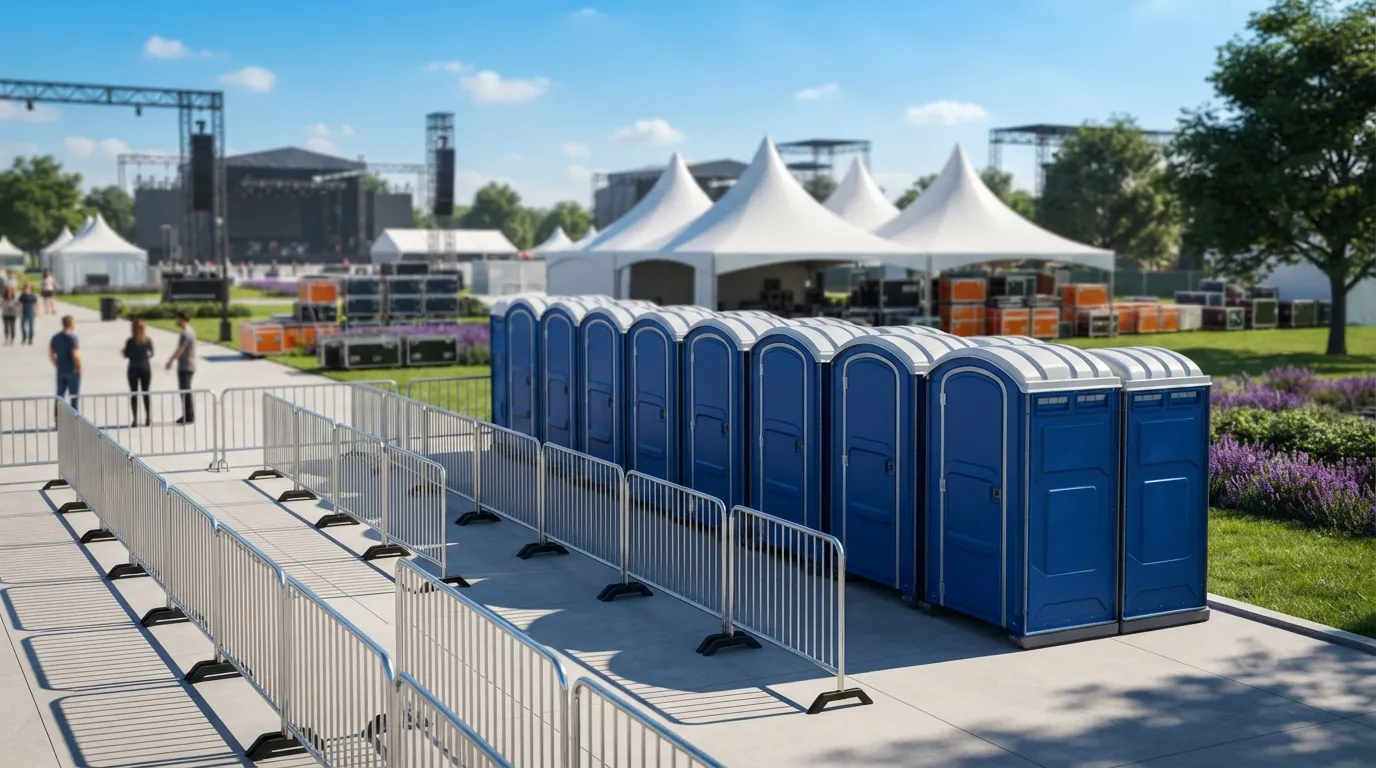
A standard visit means locating the tank, opening the access lid, pumping out solids and liquid, and a quick check of the baffles and tank walls for cracks or damage. The crew notes tank condition on the invoice so you have a record for the next visit. Most jobs finish in under two hours, and a straightforward day-rate pumping call for a typical home tank falls in the $150 to $300 band, roughly the same window a crew needs to set up a temporary fence rental around the work zone. If you want the visit paired with a full inspection and cleaning of the tank interior, that is a different scope covered on septic tank cleaning. Homeowners planning ahead often ask about cost breakdowns by tank size and access difficulty, which we cover in detail on septic tank pumping cost and how often to pump a septic tank. For property owners juggling septic work alongside a renovation or addition, pairing it with home renovation porta potty service keeps the crew working without walking back into the house.
How Much Does Septic Tank Pumping Cost by Tank Size?
Tank size, access (is the lid buried or exposed), and travel distance all move the price. A 1,000 gallon tank is the most common residential size in this part of New Jersey, and pumping it sits at the lower end of the day-rate band below. Larger tanks or tanks needing excavation to reach the lid cost more because of the added labor, much like a roll-off dumpster rental costs more when the truck cannot get close to the pile.
| Tank size | Typical day-rate range |
|---|---|
| 750-1,000 gallon (standard home) | $150 - $250 |
| 1,000-1,500 gallon (larger home) | $200 - $300 |
| Weekend / rush service | $50 - $150 (shorter jobs) |
These figures reflect day-rate service calls, not weekly or monthly contracts. Commercial properties or restaurants asking about grease interceptor service, which gets pumped once fats, oils, grease and solids reach 25 percent of the liquid depth, should look at grease trap pumping instead of this table, and any restaurant also managing a renovation can pair that with a storage container rental for equipment and supplies. For a full cost breakdown including what drives price up or down, see septic tank pumping cost and septic tank pumping cost-adjacent guidance on how much a 1,000 gallon tank costs to pump specifically.
Do You Offer Holding Tank Rental for Septic Backups or Construction Sites?
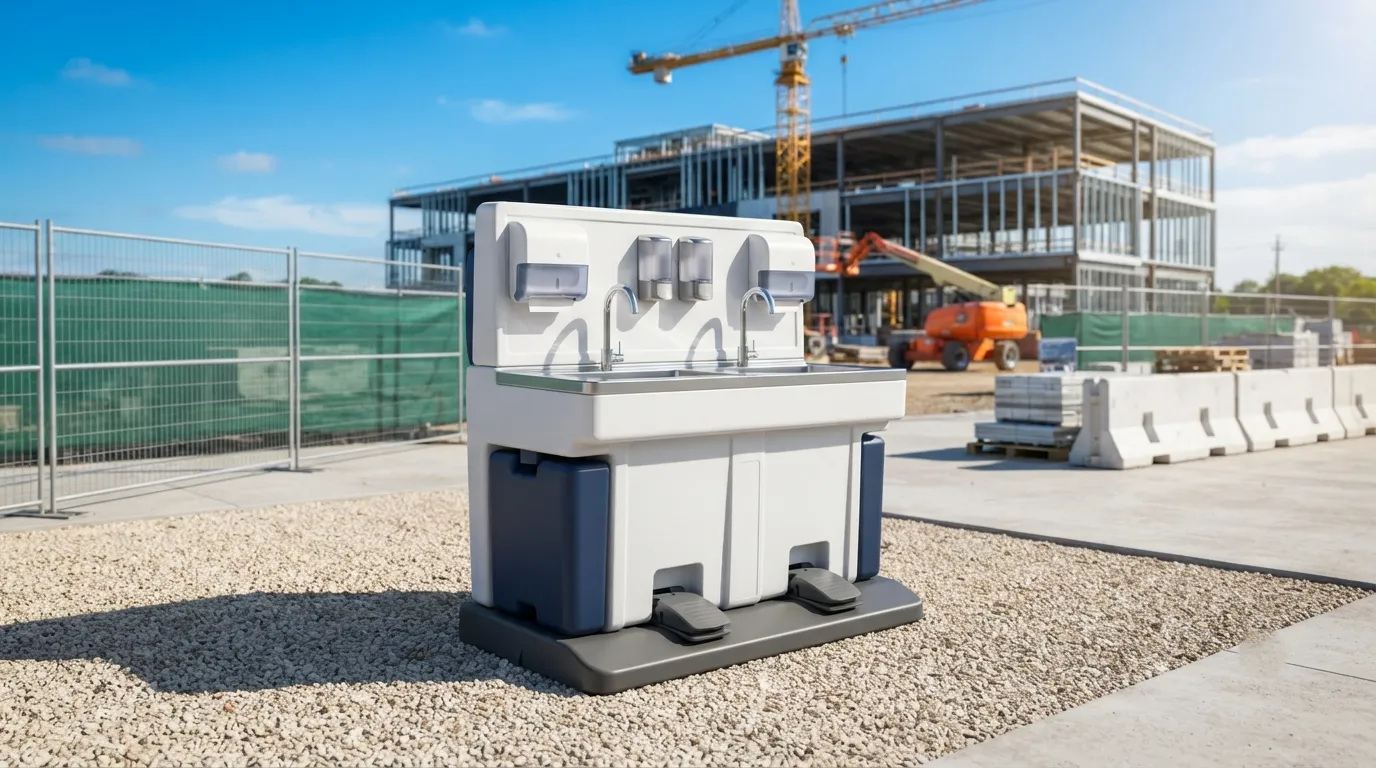
Yes. When a septic system fails or a construction site has no working sewer connection, a rented holding tank keeps water use going while the real system gets fixed or built. This is common on renovation jobs, temporary work sites and anywhere a septic pump-out buys a few days before permanent repair, the same logic behind renting a mobile office trailer rental while a permanent office space gets finished. Our holding tank rental page has full details on setup and duration options. If the goal is just restroom access on the same job while septic work is underway, our portable toilet rental and standard porta potty rental lines cover that, and a handwashing station rental satisfies handwashing needs alongside it under 29 CFR 1910.141(d)(2), which requires soap and towels or a hand-drying device at any washing station, not sanitizer alone. Construction crews juggling septic repairs and permitting should also check construction site services for the full list of equipment that keeps a job moving without plumbing, including a light tower rental for crews working past daylight and a temporary power pole where the site has no active service yet.

Is Emergency Septic Service Available in Paterson?
Yes, and a full backup is the one septic problem that cannot wait for a scheduled slot. Paterson Porta Pros dispatches emergency crews across Paterson and into nearby towns including Hawthorne (3.9 miles north), Fair Lawn (4.1 miles northeast) and Saddle Brook (4.1 miles east), with full coverage details on service areas and town-specific pages like porta potty rental in Fair Lawn. Emergency and weekend septic calls run $50 to $150 for shorter visits, though a full pump-out during an active backup may take longer and cost more depending on severity. Our emergency septic service page has direct contact steps for after-hours calls. If the backup is tied to a broader disaster situation, like storm flooding overwhelming a system, disaster relief sanitation covers larger-scale response including temporary toilets and holding tanks together, and larger events on the same property may also need a 4 stall restroom trailer or 8 stall restroom trailer depending on crew size. For anyone unsure whether their situation counts as an emergency versus a scheduled visit, the warning signs on septic tank warning signs help sort that out before you call, and general questions about scheduling or coverage belong on frequently asked questions or request a quote.
How much does septic tank pumping cost?
A standard day-rate visit for a 1,000 gallon residential tank in Paterson runs $150 to $300, depending on access and tank condition. Weekend or rush jobs run $50 to $150 for shorter calls. See septic tank pumping cost for a full size-by-size breakdown.
How often should a septic tank be pumped?
Every 3 to 5 years for most homes, though household size and water use shift that window. A larger family or heavy laundry use can push the interval closer to 3 years. Check how often to pump a septic tank for specifics tied to your setup.
What are signs my septic tank needs pumping now?
Slow drains, gurgling pipes, sewage odor near the tank, and standing water over the drain field all signal a full or failing tank. Backups into the house mean it is urgent, not routine. Full details are on septic tank warning signs.
Can I get emergency septic pumping in Paterson?
Yes. Paterson Porta Pros runs emergency dispatch for active backups, with weekend and rush pricing in the $50 to $150 range for shorter visits. Longer emergency pump-outs cost more. Visit emergency septic service for response details.
Do you offer holding tanks instead of pumping?
Yes, for situations where a system is down or a site has no sewer hookup. A rented holding tank bridges the gap during repairs or construction. See holding tank rental for setup and duration.
Is grease trap pumping the same as septic pumping?
No. A grease interceptor is pumped once fats, oils, grease and solids reach 25 percent of liquid depth, a different trigger than a septic tank's calendar-based schedule. Restaurants and commercial kitchens should check grease trap pumping instead of this page.
Next step
Get a delivery date
Tell us the address, the dates and the headcount. We size the order and confirm the route.