
How Often Does a Septic Tank Need Cleaning?
The honest answer is: it depends on load, not the calendar. A 1,000 gallon tank serving two people stretches longer between pumpings than the same tank serving six. Household size, garbage disposal use and water habits all move that number, which is also covered in how often to pump a septic tank guidance for the area. Paterson Porta Pros sees the 3 to 5 year range hold true across most single-family setups, which lines up with typical guidance for residential tanks. If you are unsure where your property falls, septic tank warning signs is worth a read before you guess. Commercial kitchens are a different animal entirely. A grease interceptor needs pumping once fats, oils, grease and solids build up to 25 percent of the liquid depth, which can happen in weeks, not years, depending on volume. If your Paterson property runs a kitchen, pair your septic schedule with grease trap pumping so one doesn't get forgotten while you track the other. Renovation projects add another wrinkle, and crews working a home renovation porta potty setup on site often need the septic schedule watched too. Extra household guests or a work crew on-site for months can shorten the interval, so it's worth a mid-project check rather than waiting for the next scheduled visit.
What Determines Septic Tank Cleaning Frequency?
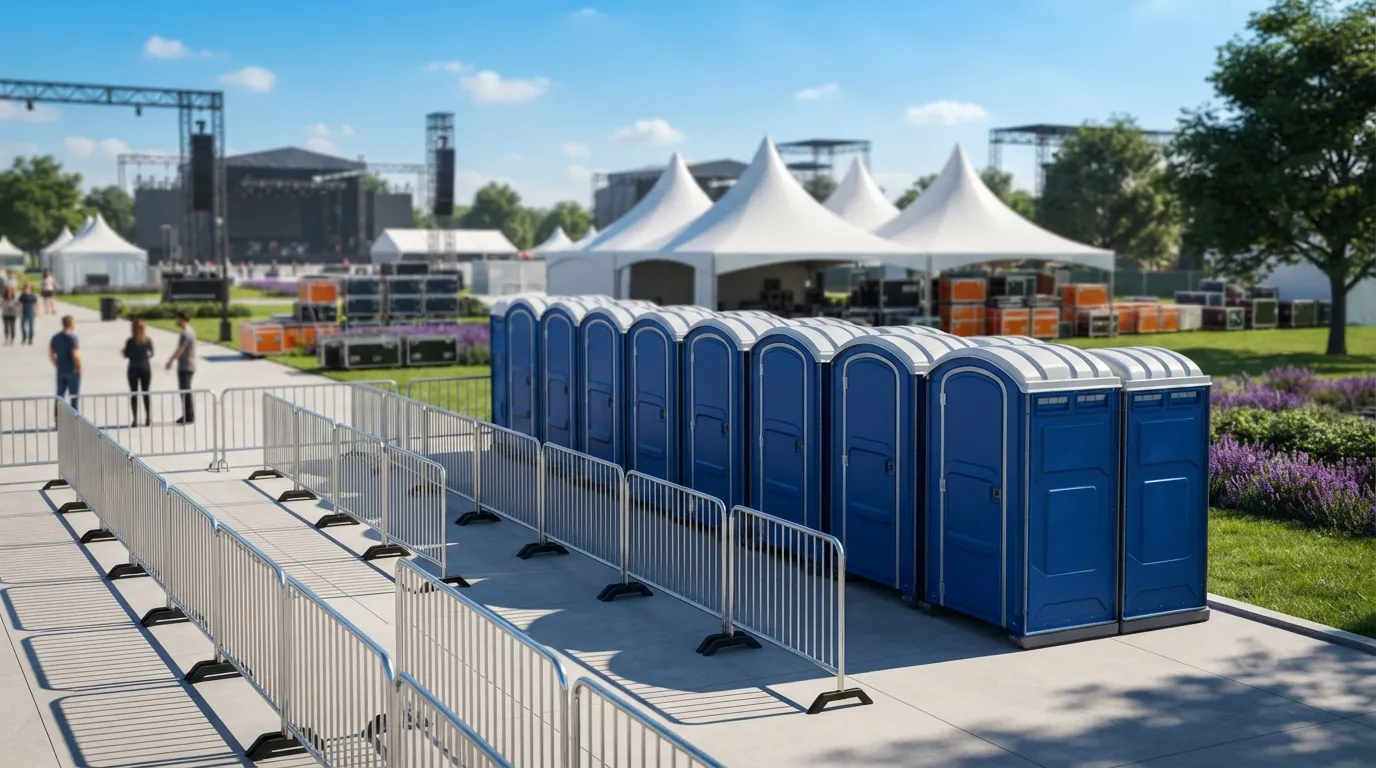
Tank size versus household size is the biggest lever. A larger tank buys more time between pumpings; more people using the system spend that time faster. Water-heavy habits, like long showers or back-to-back laundry loads, push solids through faster and shrink the interval, the same way a construction site services crew can overload a system faster than a normal household. Garbage disposals matter too, and it's a factor worth flagging when you request a quote for service. They add solid waste directly into the tank instead of the trash, which speeds up the buildup Paterson homeowners are trying to stay ahead of. If your property is on the smaller end of the 3 to 5 year range, don't wait for a backup to schedule service. Pair a pumping visit with a look at septic tank warning signs so you know what's normal wear and what's a red flag. Some households find it easier to book septic pumping service on a recurring reminder rather than trying to remember the last visit. If you're building an addition, hosting a large gathering, or running a temporary crew on the property, a holding tank rental can take pressure off the main system during that stretch instead of forcing an early pump-out, and pairing it with portable toilet rental keeps guests or workers off the house system entirely.
Why Does Pumping Frequency Matter for Paterson Homeowners?
Skipping a pumping cycle doesn't save money, it just moves the cost to a worse day. Solids that aren't removed on schedule migrate into the drain field, and that kind of damage costs far more to fix than a routine visit ever would, a risk laid out further on the septic tank warning signs page. Paterson's older housing stock means plenty of septic systems that have been in the ground a long time, which makes staying ahead of the interval even more important, and the service areas page covers coverage across those older neighborhoods. If you're not sure whether your last pumping was 3 years ago or 8, that uncertainty alone is a reason to schedule an inspection. Homeowners near Woodland Park, about 4.2 miles southwest of Paterson, and Little Falls, roughly 6.0 miles southwest, deal with similar older-system realities and follow the same 3 to 5 year logic. For anyone weighing the cost of staying on schedule against the cost of a system failure, septic tank pumping cost breaks down what a routine visit runs versus an emergency call.
When Should You Call for Emergency Septic Service?
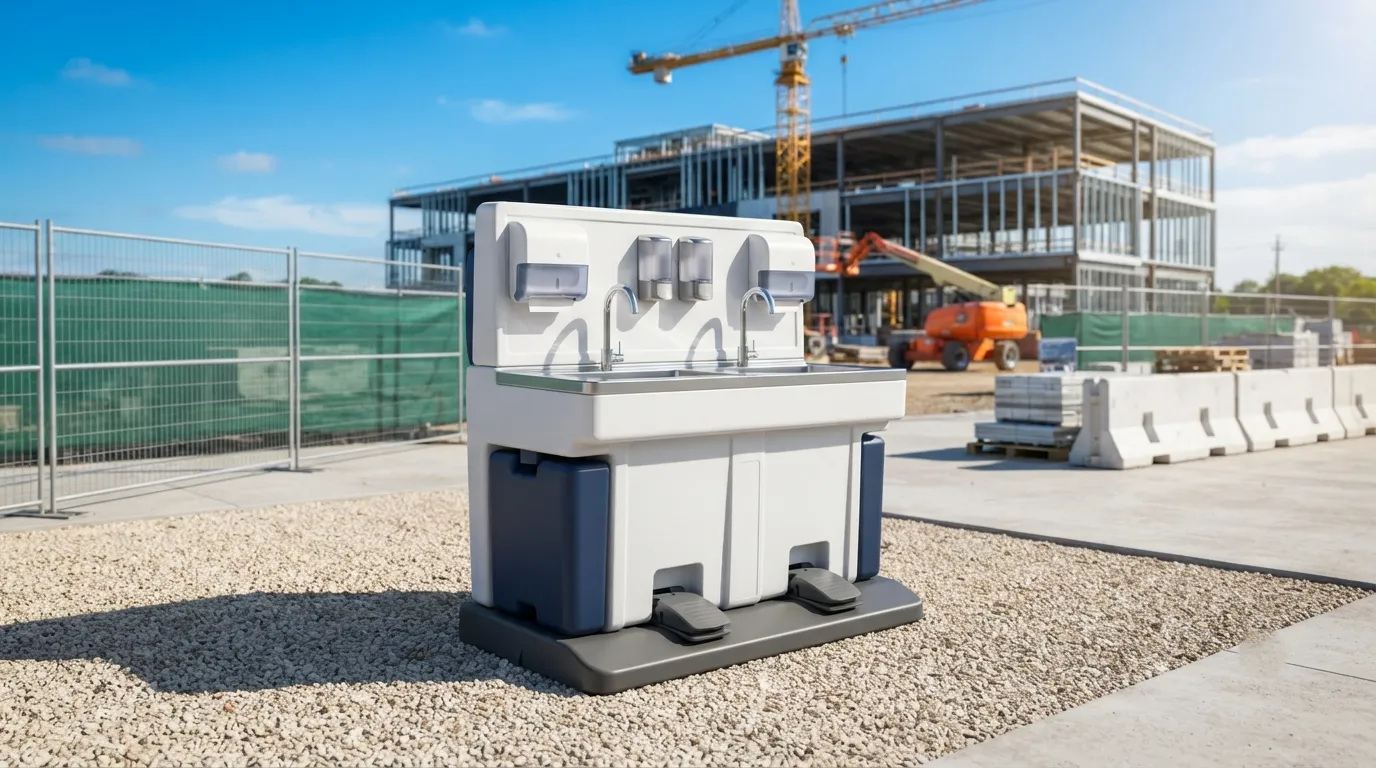
Call immediately if you smell sewage, see standing water over the drain field, or notice drains backing up across multiple fixtures at once. Those are signs the tank is full or the field is failing, not something to wait out until your next planned visit, and the septic tank warning signs guide walks through what else to watch. Emergency septic service exists for exactly that scenario. Slow drains in just one fixture are usually a plumbing issue, not a septic one, but if it's happening in the kitchen, bathroom and laundry all at once, that points to the tank. Homeowners in Elmwood Park, about 3.0 miles east of Paterson, and Fair Lawn, 4.1 miles northeast, run into the same warning signs on comparable systems. Don't wait for a weekend to become the emergency, and if your property also needs backup facilities during repairs, porta john rental can cover the gap. If you're already noticing signs and your regular interval isn't due for another year, get septic tank cleaning scheduled early rather than betting on it holding.
Do I need to pump more often if I have a garbage disposal?
Yes. A garbage disposal sends food solids straight into the tank instead of the trash can, which adds to the solid layer faster than a household without one. If you use one regularly, lean toward the 3 year end of the range rather than 5. Ask your pumping company to note disposal use when they inspect the tank, the same detail worth mentioning on the contact form when you set up service.
Can heavy rain affect my septic pumping schedule?
Yes, indirectly. Saturated ground slows drain field absorption, which can make a nearly-full tank symptomatic sooner than expected. It doesn't change how fast solids accumulate, but it can turn a borderline tank into a backup. If Paterson gets a wet stretch and you're due soon, don't push the date further out, and the frequently asked questions page covers more on timing around weather.
What size is a typical residential septic tank?
Most single-family homes run a 1,000 gallon tank, though sizing depends on household size and local requirements. That size is the baseline for the 3 to 5 year pumping window discussed above. A larger tank doesn't eliminate the need to pump, it just extends the interval somewhat, and the about page has more on how Paterson Porta Pros sizes recommendations for older homes.
Is there a difference between septic pumping and septic cleaning?
Pumping removes liquid and solids from the tank. Full cleaning can include pumping plus a visual inspection of baffles and the tank interior. Most routine visits cover both under one appointment. Ask what's included when you book septic pumping service so you know what you're getting.
Do commercial properties follow the same 3 to 5 year rule?
No. Commercial systems, especially anything with a kitchen, follow a different clock tied to usage volume rather than years. A grease interceptor is judged by depth of buildup, not a calendar. Check grease trap pumping for that separate schedule.

Next step
Get a delivery date
Tell us the address, the dates and the headcount. We size the order and confirm the route.